Lithium-Ion Batteries Are Changing the Risk. Insurers Have Noticed. Have You?
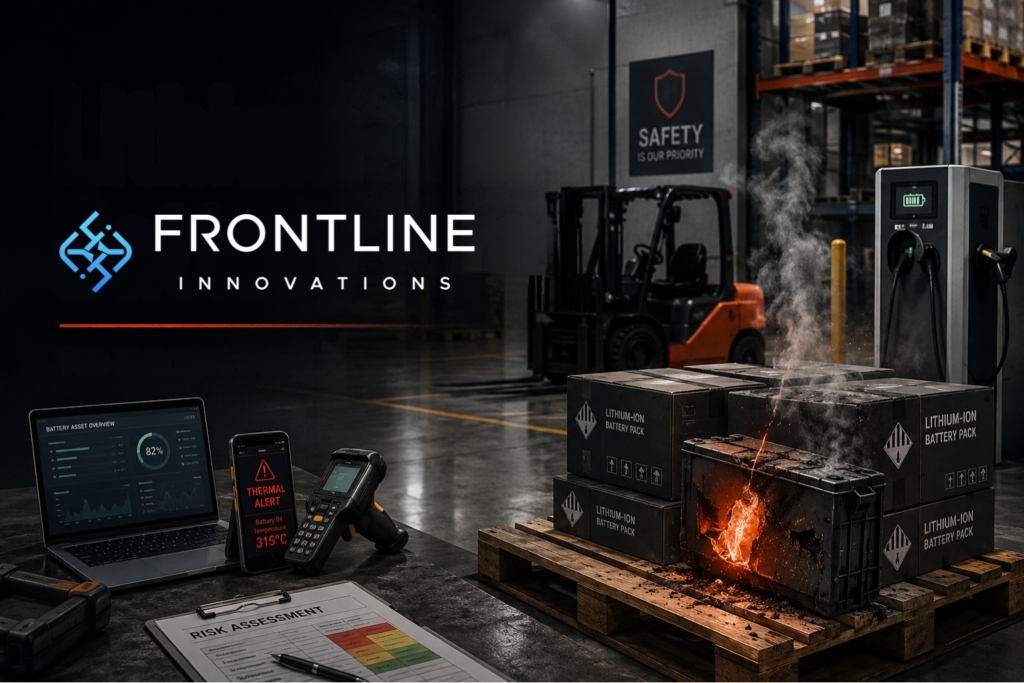
If you run a warehouse, distribution centre, manufacturing facility, data centre or anything similar, you probably have far more lithium-ion batteries on site than you think – and increasingly, so do your insurers.
Lithium-Ion Batteries Are Everywhere, Whether You’ve Noticed or Not
People tend to think of EVs or battery storage systems when the subject comes up. But lithium-ion batteries are also in handheld scanners, radios, laptops, mobile phones, power tools, forklifts, backup power systems, e-bikes, and even the vape in someone’s pocket. In most businesses, they’re simply part of the furniture now.
The issue is that while batteries have become commonplace, fire protection strategies haven’t always caught up.
Why Lithium-Ion Fires Are Different
A lithium-ion battery fire doesn’t behave like a normal combustible fire. When a battery enters thermal runaway, the heat generated can cause neighbouring cells to fail too. Temperatures rise quickly, flammable gases can be released, and in some cases, batteries can reignite after the fire appears to be out.
That’s one of the reasons fire services, insurers and investigators are paying closer attention than they were a few years ago – not because it’s the latest industry buzzword, but because they’ve now seen enough incidents to know the risk is real.
In fact, the industry has recently introduced a dedicated Class L fire classification for lithium-ion batteries, reflecting growing recognition that these fires present unique risks and challenges.
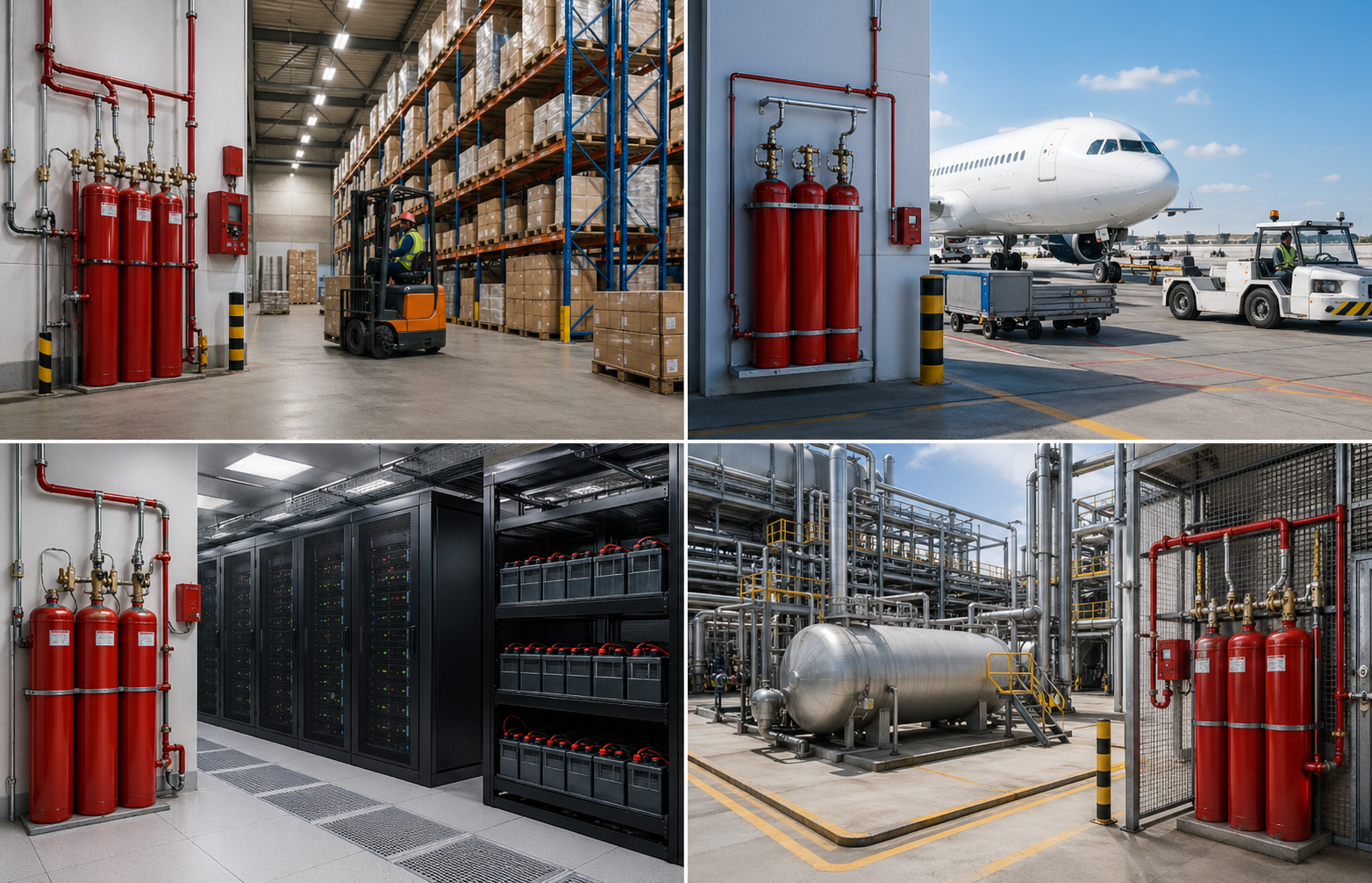
The Questions You’ll Be Asked After an Incident
If a fire started on your site tomorrow, one of the first questions would likely be whether lithium-ion batteries were involved. The next questions are usually where they were stored, how they were being charged, and whether the fire protection measures in place were suitable for the hazard.
That’s where some businesses could find themselves exposed.
Most Sites Haven’t Counted the Risk – Not Because They Ignored It
In many cases, businesses have simply never stopped to count how many lithium-ion batteries are actually present, let alone whether the fire risk assessment reflects them properly. A warehouse might have hundreds. A larger operation could have thousands, spread across equipment, stock, vehicles and staff belongings.
None of this means lithium-ion batteries are inherently unsafe, or that every site needs to panic and start replacing equipment. The reality is simpler: if batteries form part of your operation, they should form part of your fire strategy.
That means understanding where they are, how they’re stored, how they’re charged, and whether your existing fire protection measures are appropriate. Because if the first serious conversation about lithium-ion battery fire safety happens after an incident, you’ve left it too late.
The technology isn’t going away. If anything, businesses are becoming more dependent on it every year. The question isn’t whether lithium-ion batteries are on your site, it’s whether you’ve accounted for them.
Part of that means making sure the fire protection systems you’re relying on can back up their claims. FireBull AB is the world’s first fluorine-free foam certified to NTA 8133:2021 for lithium-ion battery fire suppression, providing independently verified performance rather than marketing claims.
FireBull AB: Certified Protection, Not Just Marketing Claims
FireBull AB is the world’s first fluorine-free foam certified to NTA 8133:2021 for lithium-ion battery fire suppression providing independently verified performance rather than marketing claims.
FireBull AB isn’t just a lithium-ion battery solution. It is suitable for Class A, B, D, K and L fire risks, simplifying fire protection across your site with a single firefighting agent.
When It Matters Most, Certification Is What Counts
In an emergency, people react. They don’t reach for a manual. You need to know the systems protecting your site will do what they say they will.
The question is whether the products protecting your site are backed by independent certification, or only marketing claims. When insurers and investigators start asking questions, the difference matters.
About Frontline Innovations
Frontline Innovations is the UAE’s authorised distributor of FireBull® F3 fluorine-free firefighting foam and Enforcer CAFS systems. Based in Dubai Industrial City, we exclusively partner with disruptive enterprises to deliver certified, next-generation fire safety solutions to commercial, industrial, aviation, government and defence facilities across the UAE and GCC.
FireBull® F3 is the only fluorine-free foam certified by Emirates Safety Laboratory (ESL) in the UAE, the only foam in the region certified under NTA 8133:2021 for lithium-ion battery fires, and holds UAE Civil Defence approval.
Contact us now to learn how FireBull can meet your organisation’s needs.
📍 Dubai Industrial City, UAE 📞 +971 04429 8788 🌐 flinnovations.com
FireBull® is a registered trademark of EnforcerOne LLC. Distributed in the UAE and GCC by Frontline Innovations.
Click here for more information on FireBull and our range of innovative firefighting solutions.